
Why is Ultra Pure Dialysis Water Important? Its Critical Role in Patient Safety and Treatment Quality
February 18, 2026
Selection Guide for Hemodialysis Water Treatment Systems
April 20, 2026A dialysis center’s water quality is the silent yet decisive backbone of treatment safety. During the dialysis process, the patient’s blood comes into contact with a high volume of water-based dialysate, making it essential to keep the chemical, physical, and microbiological quality of the water under strict control. For this reason, the Hemodialysis Water Treatment System should not be considered an ordinary technical installation, but rather a critical healthcare infrastructure that directly affects patient safety.
A well-designed Hemodialysis Water Treatment System does more than just produce suitable water; it also ensures continuity of treatment, reduces equipment failures, balances consumable costs, and provides significant advantages during quality audits. On the other hand, a neglected Hemodialysis Water Treatment System may initially show minor performance deviations, but these can evolve into membrane damage, microbiological non-compliance, unplanned downtime, and high maintenance costs. A classic human strategy, really: ignore the problem until it becomes expensive.

A modern Hemodialysis Water Treatment System typically consists of raw water intake, pre-filtration, activated carbon filter, softening resin, reverse osmosis unit, water storage tank, and distribution line. Each component is interconnected. Weak pre-treatment damages the membrane, poor tank hygiene threatens the distribution line, and insufficient disinfection increases microbiological load. Therefore, focusing on a single component is not sufficient; the system must be monitored as a whole, recorded, and evaluated periodically.
An effective operation and maintenance guideline should integrate daily observations, weekly technical checks, monthly performance analyses, consumable replacement schedules, and disinfection procedures. In this article, we explain a practical and field-applicable operational approach for the Hemodialysis Water Treatment System in detail.
How to Perform Daily, Weekly, and Monthly System Checks
Checks carried out on a Hemodialysis Water Treatment System should not aim to fix problems after they occur, but to identify risks before they arise. The primary goal of daily checks is to confirm that the system can be safely operated for that day. At this stage, the operator should carefully review raw water inlet pressure, differential pressure across pre-filters, the operation of the activated carbon unit, regeneration timing of the softening system, feed pressure of the reverse osmosis unit, product water conductivity, temperature, tank level, and distribution line circulation.
If regular chlorine monitoring is performed, free chlorine and total chlorine measurements—especially at the carbon filter outlet—must not be neglected. Any chlorine breakthrough can irreversibly damage reverse osmosis membranes. Alarm history, sudden pressure fluctuations, leaks, pump noises, and valve positions should also be recorded. Just because the system appears to be running does not mean everything is fine; serious problems often begin as small deviations.
Weekly checks should go beyond daily observations and focus on identifying trends. At this stage, the workload on system components becomes clearer. Cartridge filter saturation, increasing differential pressure, post-softener hardness levels, carbon filter performance, tank cleanliness, circulation stability, and sampling point suitability should all be evaluated.
The key advantage of weekly monitoring is early detection of gradual deterioration. A filter may not clog suddenly, but pressure comparisons over a week can clearly indicate loading. Similarly, resin capacity loss may not be obvious daily but becomes evident through weekly hardness measurements. Comparative records are therefore essential not just for data collection but for interpretation.

Monthly checks require a more comprehensive technical evaluation. The goal is not just to see whether equipment is functioning, but whether system performance meets quality targets. These evaluations should include product water conductivity trends, membrane efficiency, regeneration frequency, consumable usage rates, microbiological culture results, endotoxin levels, sensor calibrations, pump and valve performance, automation accuracy, and maintenance history.
Additionally, alarms, unplanned shutdowns, and component replacements from the past month should be analyzed to identify recurring issues. When records are properly maintained, weak points in the system become clearly visible, allowing maintenance planning to rely on real data rather than guesswork.
Determining Resin and Carbon Filter Replacement Times
Pre-treatment stages in a Hemodialysis Water Treatment System are often underestimated. However, resin and carbon filters form the primary defense line protecting the reverse osmosis unit. Their replacement timing directly affects system lifespan and water quality.
Softening resin reduces hardness by removing calcium and magnesium ions. However, every resin bed has a finite capacity influenced by raw water hardness, daily consumption, regeneration quality, salt purity, and operational discipline. Relying solely on calendar-based replacement is a mistake; performance must be monitored through measurement data.
One of the first indicators for resin replacement is the appearance of hardness in the outlet water. Increased regeneration frequency also signals capacity loss. Simply refilling the salt tank does not fix the issue if the resin has physically degraded or lost chemical capacity.
Similarly, carbon filter replacement should not be based solely on time. Carbon filters remove free chlorine, chloramine, and organic contaminants. Once saturated, chlorine breakthrough can occur, causing serious membrane damage. Regular chlorine monitoring is essential. Detection of chlorine at the outlet is a clear signal for replacement. Increased pressure drop, reduced flow, sludge formation, odor, or biofilm suspicion are also warning signs.
A hybrid approach combining manufacturer recommendations and field data is the most reliable method. By analyzing chlorine tests, hardness levels, pressure values, and consumption data, realistic service life estimates can be achieved, avoiding both premature replacement and delayed risk.
Reverse Osmosis Performance Monitoring
The core of a Hemodialysis Water Treatment System is the reverse osmosis unit. Evaluating it simply as “working” is insufficient; performance must be monitored through measurable parameters.
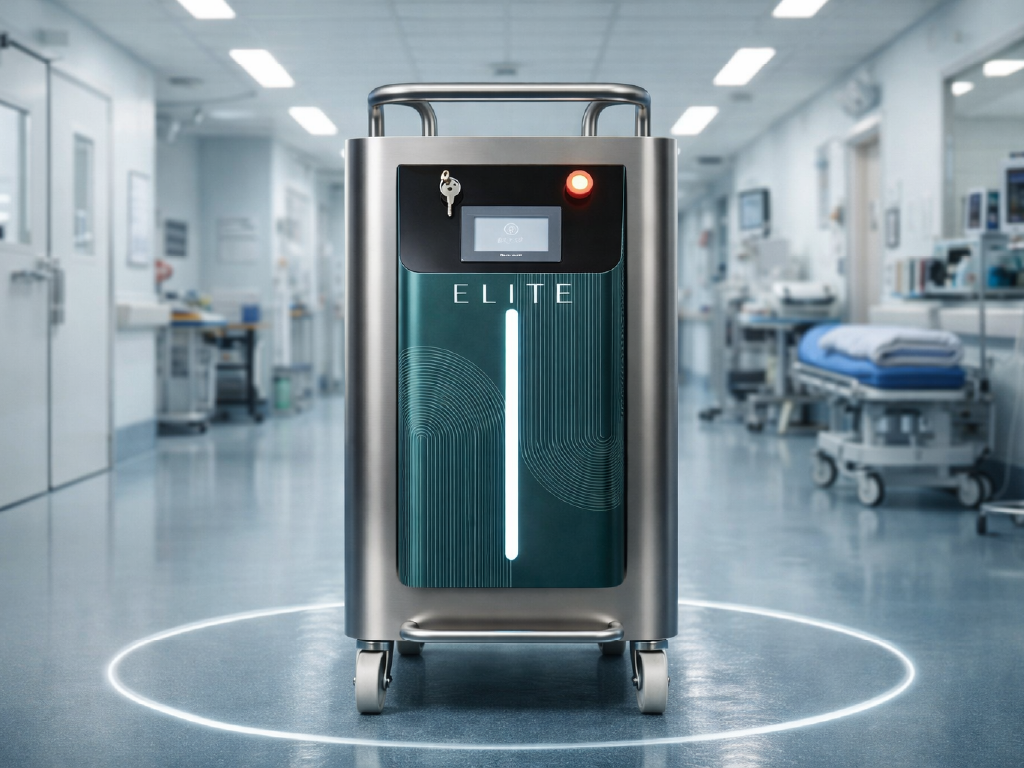
Key parameters include feed water conductivity, product water conductivity, rejection rate, feed pressure, concentrate pressure, product flow rate, recovery rate, and temperature. When tracked consistently, these values reveal membrane performance trends.
A decline in rejection rate or an increase in product water conductivity indicates fouling, scaling, chemical damage, or membrane aging. Similarly, higher pressure requirements to maintain flow suggest increased resistance. Trend analysis is critical, as single data points can be misleading.
Pre-treatment performance must always be considered. Chlorine breakthrough, insufficient hardness removal, or particle load can all impact membrane performance. In other words, not every membrane issue is actually the membrane’s fault.
Decisions regarding CIP (clean-in-place) or membrane replacement should be data-driven. If performance does not recover after cleaning, the membrane may have reached the end of its service life. Proper monitoring prevents unexpected downtime and improves cost predictability.
Disinfection Procedures in Water Treatment Systems
Disinfection is often treated as a secondary maintenance task, yet it is central to microbiological control. Water treatment systems are prone to biofilm formation due to stagnant zones, temperature conditions, and inadequate circulation.
Biofilm development may not be immediately noticeable but eventually leads to increased bacterial counts and endotoxin risks. Therefore, disinfection schedules should be based on system design, usage intensity, microbiological results, and maintenance records—not guesswork.
Chemical disinfection, thermal disinfection, or hybrid methods may be used. However, compatibility with system components is critical. Incorrect chemicals can damage membranes, seals, valves, and tanks. Contact time, concentration, and temperature must be carefully controlled. Random disinfection practices do more harm than good.
Post-disinfection rinsing and residue verification are equally important. Eliminating microbial risk while leaving chemical residues is unacceptable. Storage tanks, distribution lines, and sampling points must also be included in the procedure.
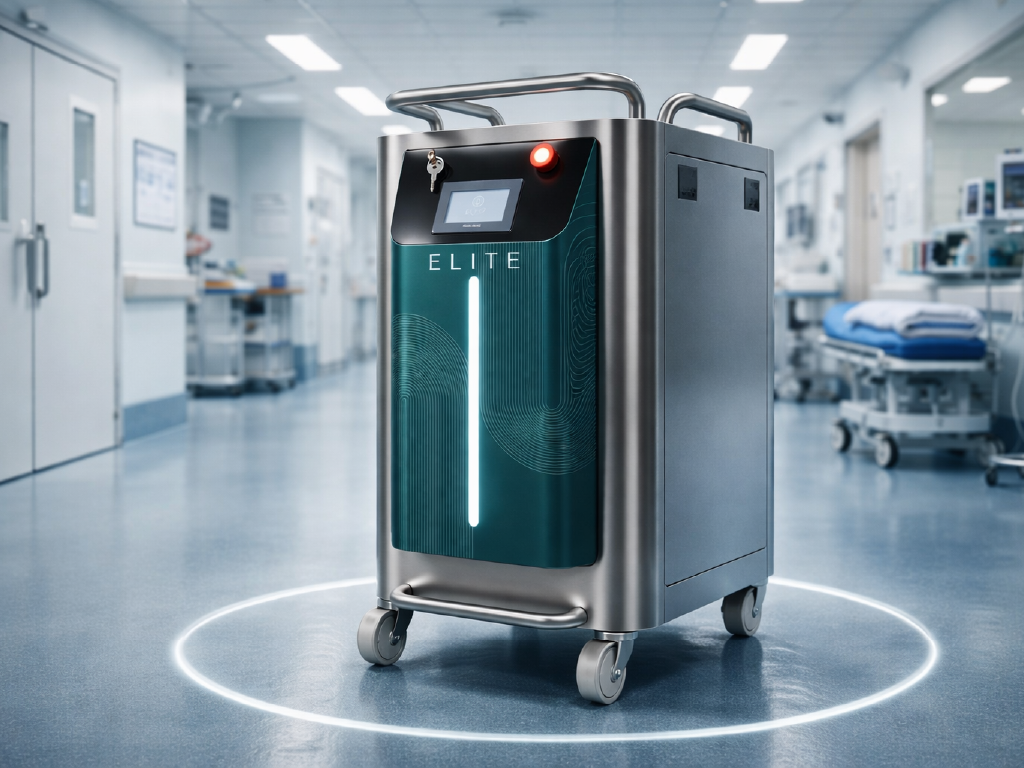
Proper documentation is essential: date, method, agent used, contact time, rinse duration, residue test results, and personnel involved must all be recorded. Comparing these records with microbiological results helps refine maintenance strategies based on evidence rather than assumptions.
If you want to manage water quality in your dialysis center systematically rather than leaving it to routine chance, adopting a professional operation and maintenance approach for the Hemodialysis Water Treatment System is critical. Regular checklists, accurate monitoring of resin and carbon filters, reverse osmosis performance analysis, and planned disinfection practices reduce technical risks while strengthening patient safety.
Especially in centers experiencing frequent alarms, conductivity fluctuations, suspected chlorine leakage, short membrane life, or microbiological non-compliance, early technical evaluation makes a significant difference. Properly managed systems do not just produce water; they ensure operational continuity, control maintenance costs, and elevate quality standards. In the end, relying on data, engineering, and planned maintenance tends to outperform wishful thinking.