

What is Biofilm? How Does It Form and How Can It Be Prevented?
February 18, 2026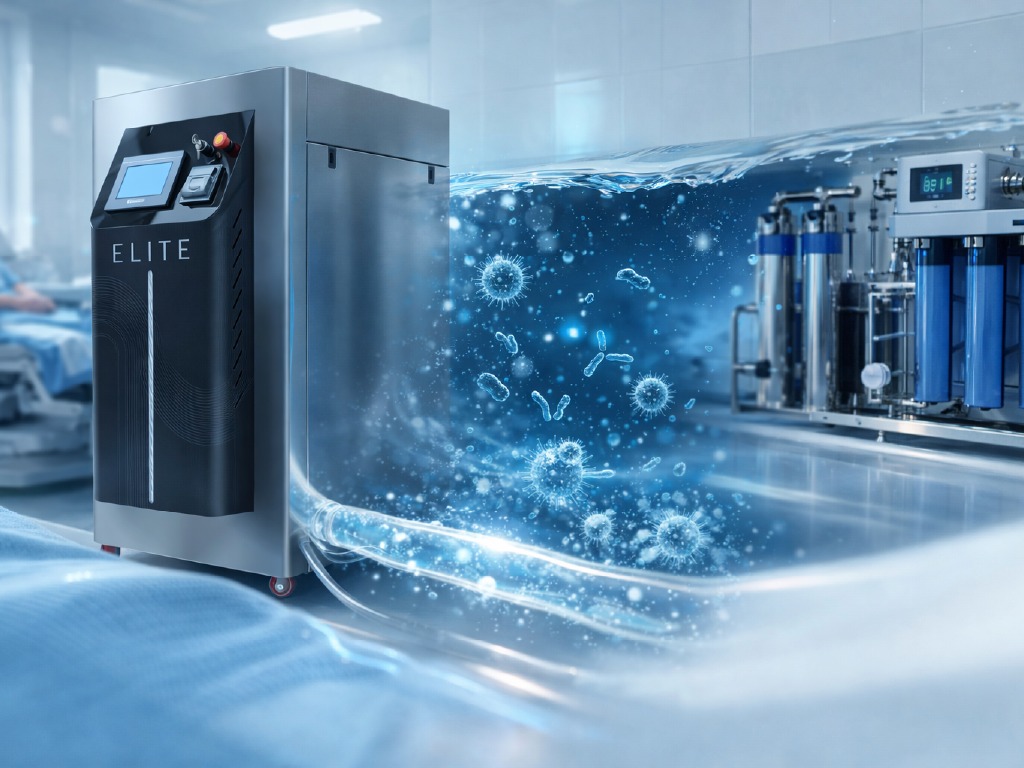
Endotoxins in hemodialysis are toxic structures of bacterial origin that pose serious clinical risks for patients undergoing dialysis treatment. These substances, which can form particularly within water purification systems and dialysis circuits, can cause inflammatory reactions in immunocompromised patients. Therefore, endotoxin control in hemodialysis is an indispensable quality criterion for patient safety. Today, regular monitoring of endotoxin levels in modern dialysis centers has become mandatory for compliance with international standards, as the presence of endotoxins can lead not only to acute reactions but also to long-term complications.
What is Endotoxin? Basic Definition and Biological Structure
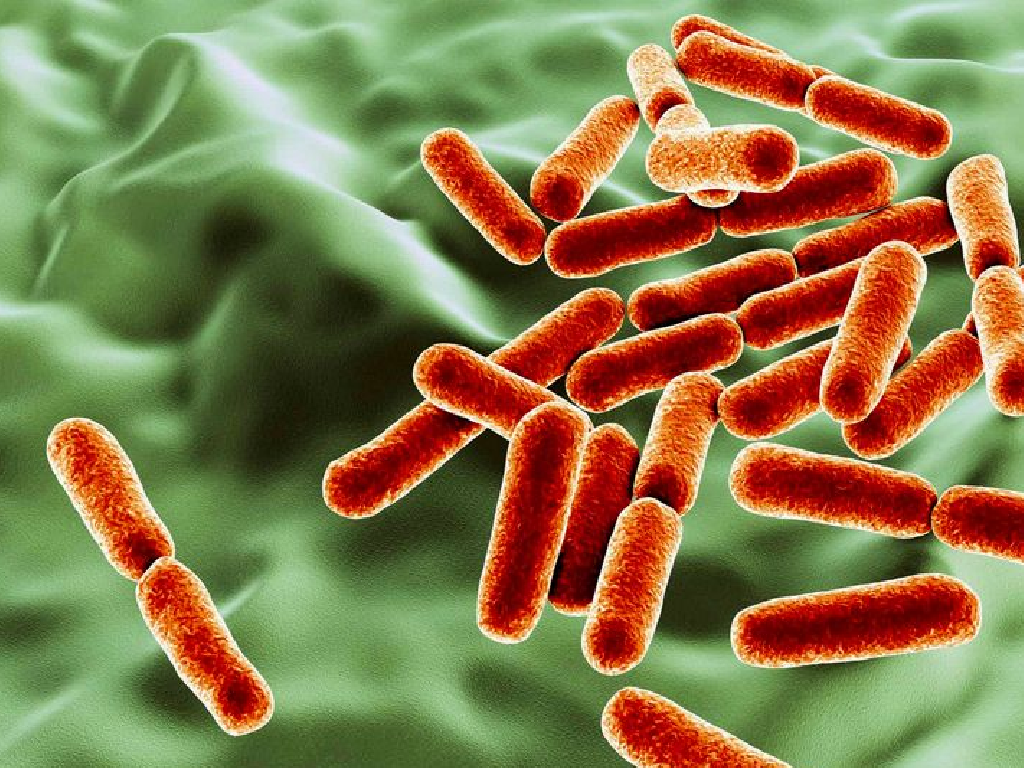
Endotoxins are toxic lipopolysaccharide (LPS) molecules found in the cell walls of gram-negative bacteria. They are released when bacterial cells break down and exhibit pyrogenic properties. This is precisely what poses a risk regarding endotoxins: the possibility of toxins entering the bloodstream as a result of bacteria breaking down in water systems.
Chemical Structure of Endotoxin (LPS – Lipopolysaccharide)
LPS consists of three main parts: Lipid A, core polysaccharide, and O-antigen. The toxic effect primarily originates from the Lipid A portion. In the presence of endotoxin, patients may experience symptoms such as fever, chills, and hypotension.
Relationship Between Gram-Negative Bacteria and Endotoxin
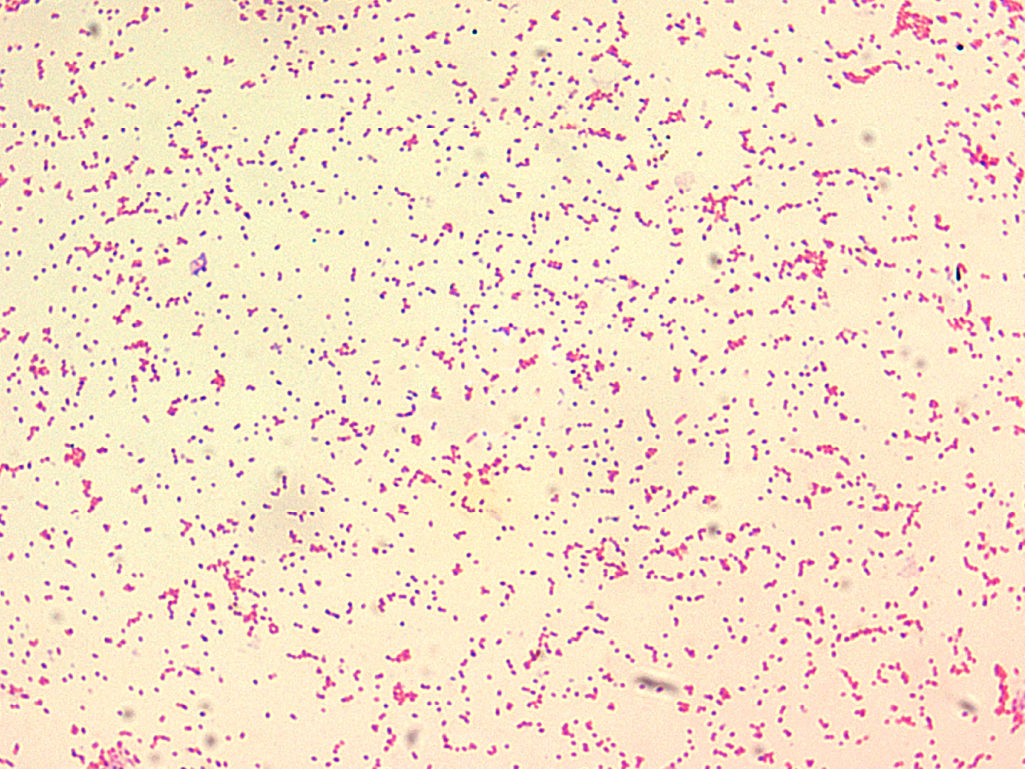
Bacteria such as Pseudomonas, E. coli, and Klebsiella can proliferate in water systems. The formation of biofilm by these bacteria increases the risk of endotoxin. Stagnant water areas and inadequate disinfection processes particularly trigger this situation.
How Does Endotoxin Emerge?
Endotoxin forms after bacterial proliferation and cell lysis in water purification systems. These toxins can pass into the dialysate fluid and reach the patient through a semi-permeable membrane.
Why is Endotoxin Critically Important?
Endotoxin is a risk factor with the potential for direct contact with the bloodstream. During dialysis treatment, the patient’s blood is in contact with the dialysate via a membrane. Therefore, endotoxin control in hemodialysis is as important as sterility.
In dialysis patients with suppressed immune systems, the presence of endotoxin increases cytokine release and can cause a systemic inflammatory response. Chronic inflammation, in turn, increases the risk of cardiovascular mortality. Even with repeated low-dose exposures, endotoxin can pave the way for complications such as amyloidosis and arteriosclerosis in the long term.
Sources of Endotoxin in Dialysis Water
The quality of the water used in dialysis treatment is a fundamental factor in determining the risk of endotoxin.
Water Purification Systems and Biofilm Formation
Although RO (Reverse Osmosis) systems largely remove bacteria, biofilm can form in distribution lines. These biofilm layers are one of the most significant sources of endotoxin production in hemodialysis.
Risk Factors in RO Systems
Inadequate maintenance, delayed filter changes, and improper design can increase endotoxin levels in hemodialysis. Stagnant areas known as dead legs are particularly risky.
Contamination in Storage and Distribution Lines
Using inappropriate materials instead of stainless steel or failing to perform regular disinfection facilitates endotoxin formation.
How Does Endotoxin Harm Patients in Hemodialysis?
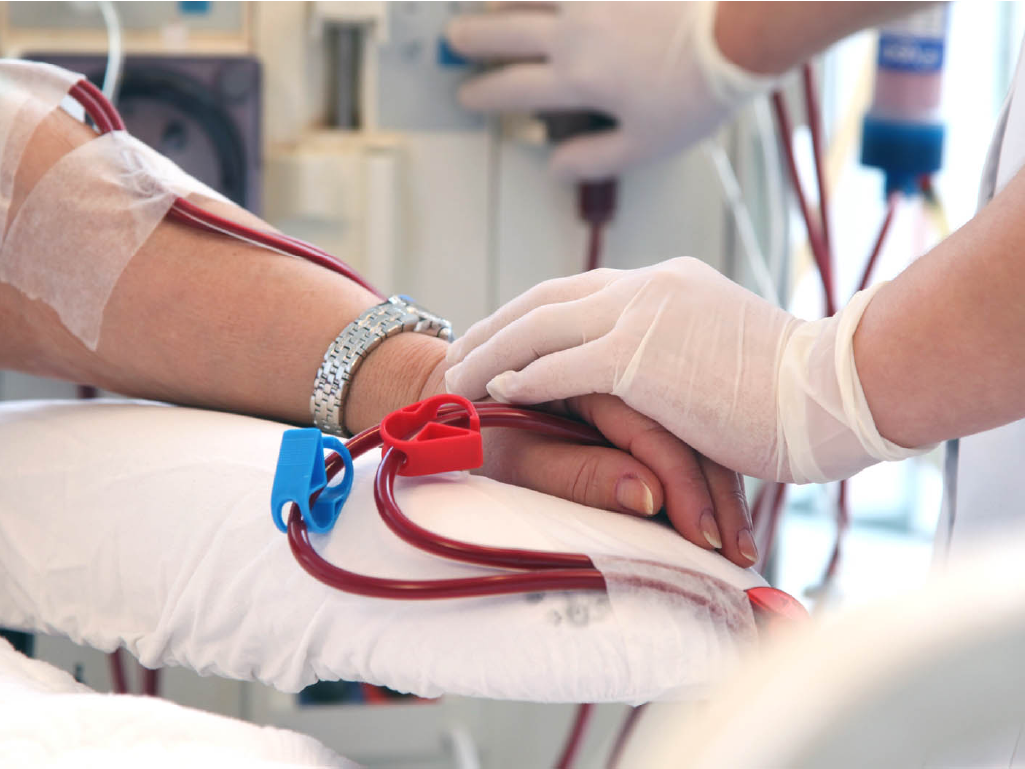
Endotoxin activates immune cells, leading to the release of cytokines such as IL-1, IL-6, and TNF-alpha. This can result in fever, chills, and hypotension. In addition to acute pyrogenic reactions, chronic exposure to endotoxin creates a persistent inflammatory state, contributing to anemia resistance and nutritional deficiencies.
Studies show that CRP levels are higher in centers with elevated endotoxin levels in hemodialysis. This is associated with an increased cardiovascular risk.
Endotoxin Limits and International Standards in Hemodialysis
According to international standards, the limit values set for endotoxin are quite low.
| Water Type | Limit |
|---|---|
| Standard Dialysis Water | ≤ 0.25 EU/mL |
| Ultra Pure Dialysis Water | ≤ 0.03 EU/mL |
The purpose of these limits is to minimize endotoxin-induced inflammation. The ISO 23500 standard defines the technical requirements for endotoxin control. The European Pharmacopoeia similarly mandates endotoxin testing. In dialysis applications, endotoxin levels should be almost undetectable.
Endotoxin Measurement Methods
| Method | Test Type | Description |
|---|---|---|
| Gel-Clot Method | Qualitative | This is the classic test method for detecting the presence of endotoxins in hemodialysis above a certain threshold. |
| Turbidimetric Method | Quantitative | Accurately measures the amount of endotoxin and provides numerical results. |
| Chromogenic Method | Quantitative | Based on color change. Used for detecting low levels of endotoxins and provides early warning in routine monitoring programs. |
The most common method for endotoxin measurement is the LAL (Limulus Amebocyte Lysate) test.
Endotoxin Control and Prevention Strategies
An effective quality management system minimizes endotoxin formation.
- Hygienic Design
- Regular Disinfection
- Ultrafiltration Systems
- Periodic validation processes
Endotoxin in terms of MDR and Quality Management
Within the scope of medical device regulations, endotoxin risk is considered in biocompatibility and patient safety assessments. According to the ISO 14971 risk management standard, endotoxin should be analyzed as a potential biological hazard. Endotoxin measurement records must be regularly maintained within quality control documentation. Compliance with endotoxin limits must be clearly demonstrated in validation reports.
Conclusion: Endotoxin Control is Essential for Patient Safety
Endotoxin in hemodialysis is a critical parameter that should not be overlooked in dialysis treatment. Monitoring endotoxin in modern dialysis centers is not only a technical requirement but also an ethical responsibility.
The risk of endotoxin in hemodialysis can be minimized through dialysis water systems, regular testing, and robust quality management.
Control Endotoxin Risk
Endotoxin control in hemodialysis is a critical requirement for patient safety and treatment quality. Microbiological contaminations that may occur in dialysis water systems can lead to serious clinical consequences in the long term.
Project planning in accordance with ISO 23500 norms, ultrafiltration systems, endotoxin-retaining filter solutions, and regular maintenance protocols help you minimize the risk of endotoxin in hemodialysis.
If you need expert solutions to ensure dialysis water standards in your center, reduce the risks of infection and inflammation, and proceed confidently in audit processes, you are in the right place. hemodialysiswaterpurification.com